Fitzroy · fixed four-course menu
The Dishes
Every dish on the menu is written up as its own card with the fields for a short description, key ingredients, preparation, flavour profile, texture and plating concept. Where a dish is not yet confirmed by the kitchen, the card stays headed [DISH NAME], keeps to one short paragraph and shows no price until it is confirmed.
FRESH
Bright, clean flavours open the meal: a first visit starts with a short verbal menu guide from the floor team before any order is taken, and the kitchen then alternates texture and temperature across the sequence.
-
Cold seafood and citrus
Oysters and cured fish are served cold, with the dressing built first and the garnish kept to one or two elements. Cucumber oil and buttermilk appear here for acidity rather than richness, so the plate finishes clean rather than creamy. The card's preparation notes carry the cure and the chilling time for each dish, with dietary information added only when verified.
-
Radish, leaf and herb
Radish and leaf are treated as seasoning as much as garnish — sliced thin and dressed late so they keep their snap against softer textures. The leaf salad with buttermilk dressing is the plainest version of this register on the menu, and grilled broccolini finished with lemon sits alongside it. Its card lists dietary information only when verified.
-
Cultured dairy
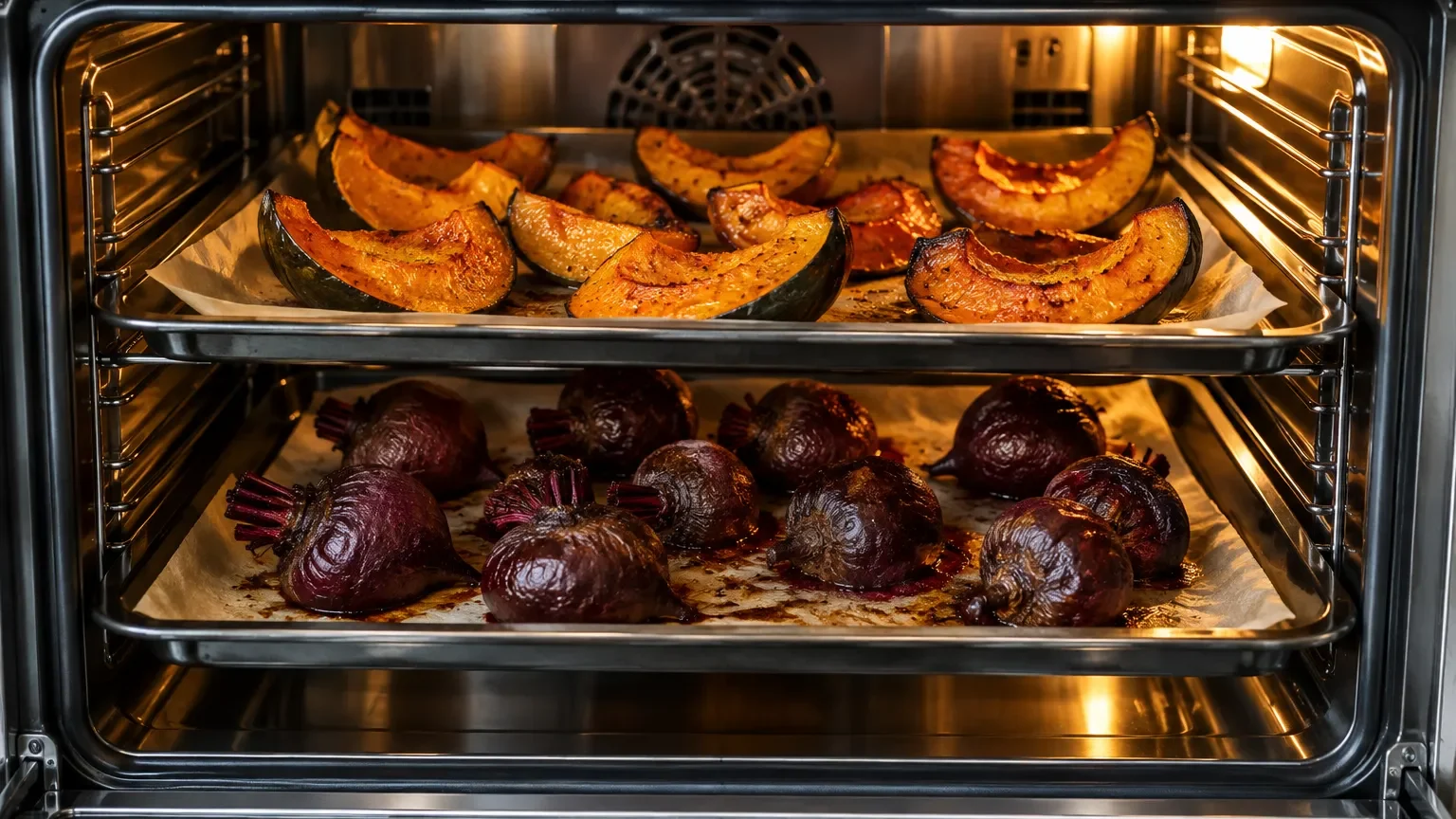
Cultured butter arrives with the house bread at the start of the table, buttermilk dresses the leaves, and goat's curd cuts through the roasted beetroot and walnut. The dairy is used for lift, not weight, which is why it appears across the first half of the menu rather than at the end. Each card keeps to one short paragraph, with no price shown until confirmed.
RICH
More intense and comforting dishes: butter, braise and age, and the plates that carry the middle of the menu.
-
Butter, and where it comes from
The dry-aged sirloin is finished with a butter built on bone marrow, and that is where the weight of the plate comes from. The grilled pork chop and pan-seared snapper take butter in a lighter form, with apple and citrus butter cutting back through it. Each card keeps to one short paragraph, with no price shown until confirmed.
-
Long-cooked plates
The slow-roasted lamb shoulder with anchovy and rosemary and the confit duck leg with plum and star anise are both built on long cooking rather than last-minute saucing. The seasoning goes in early and the plate is assembled at the pass, which is the difference between these dishes and the fresh ones above them.
-
Parfait, aged cheese and pastry
Chicken liver parfait with sourdough, confit leek with hazelnut and aged cheese, and the cheese selection with oat biscuits carry the same richness at the start and the end of the four courses. They are the plates to order when the table wants one course to be the heavy one.
SEASONAL
A dish is described as seasonal only when it is on the menu now. Where the current version is not confirmed, the card stays as [DISH NAME] and the fields stay open rather than guessed.
-
Vegetables as their own plate
Roasted cauliflower with tahini and pomegranate, and wood-fired carrots with honey, are served as plates in their own right rather than as a side to something else. When supply changes, the plate changes with it instead of being propped up with a substitute.
-
Fruit in the last course
Roast pear with ginger and vanilla, and the rhubarb that comes with the buttermilk panna cotta, follow what the kitchen can get rather than a fixed list. That is also why the dessert cards are the ones most likely to be rewritten between visits.
-
How a change is recorded
When a dish is replaced, its card is rewritten with the new ingredients, preparation, texture and plating, and the dietary line is updated only where the kitchen confirms it in writing. Until that happens the entry stays a placeholder, which is deliberate — a wrong dietary note is worse than none.