Kitchen
Inside the Kitchen
Our kitchen is guided by balance. Ingredients, technique and presentation should support one another without making the plate unnecessarily complicated.
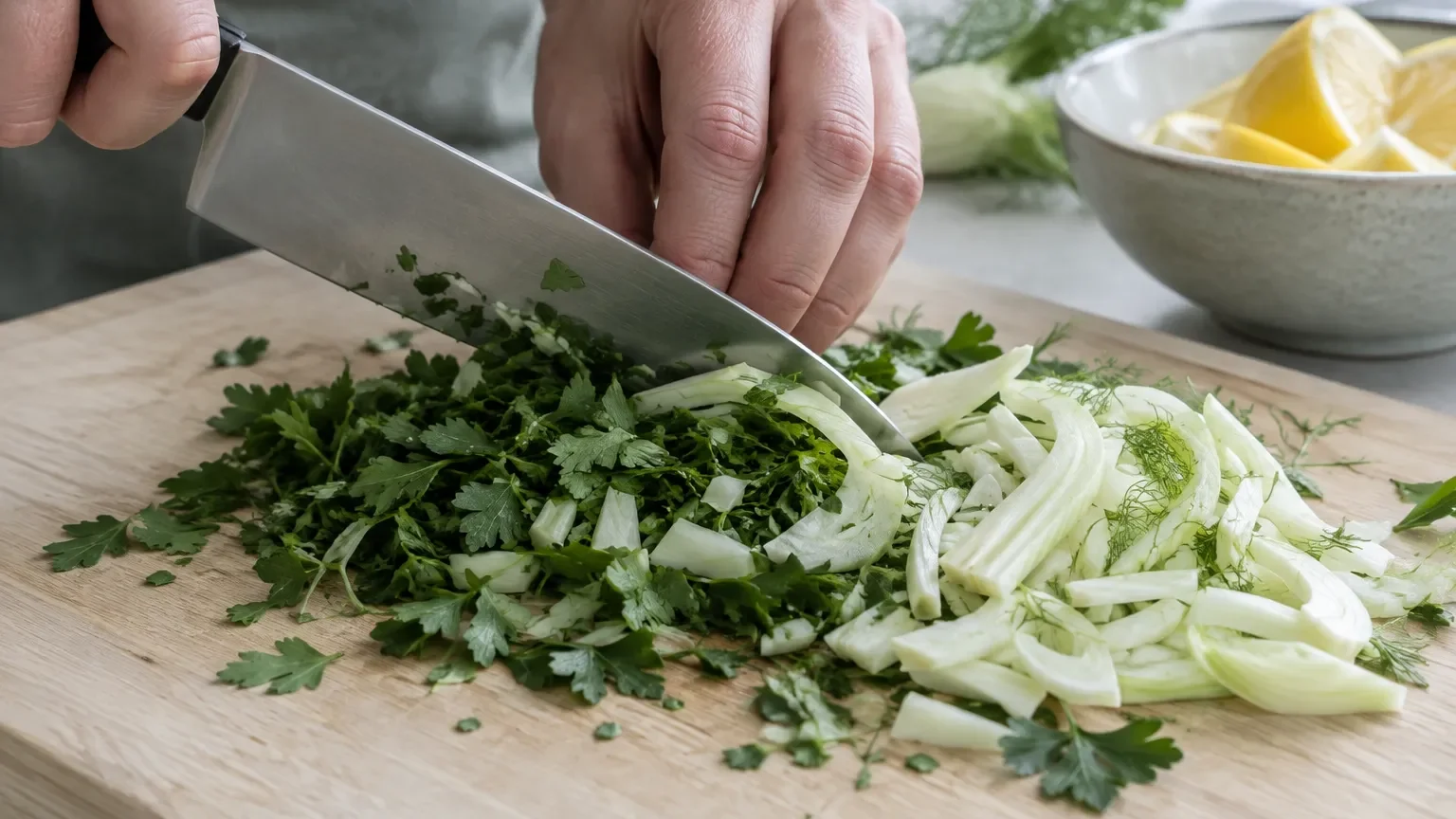
FLAVOUR
Every plate that leaves the pass is checked against five points: richness, acidity, sweetness, bitterness and freshness. The fixed four-course menu in the 24-seat Fitzroy dining room is written around them, so a course carrying cultured butter or slow-cooked meat is answered by something sharp, green or cool rather than another plate of the same weight.
The kitchen tastes and adjusts at each service instead of trusting a recipe to hold still. A [SEASONAL ADJUSTMENT NOTE] records what changed and why, so the next service begins from the corrected version rather than the original.
Menu descriptions stay to one short paragraph per dish, which keeps the language on the card as direct as the cooking: what the plate is, what sits beside it, and how it is finished.
TEXTURE
TECHNIQUE
Each cooking method here has one job — to make the ingredient clearer rather than busier. Heat, cure or slow cooking is chosen for what it does to the ingredient, whether that is a crust, a firmer edge or a softer centre, and the plate is finished as soon as that work is done.
Service runs to a fixed sequence. Dishes leave in an order that alternates texture and temperature, so no two consecutive courses land the same way on the palate, and prep for the evening begins at [PREP START TIME] so the first table is not waiting on the kitchen.
The kitchen takes its last order 60 minutes before closing, which leaves room to send the remaining courses at the pace the room is actually eating.
04
PRESENTATION
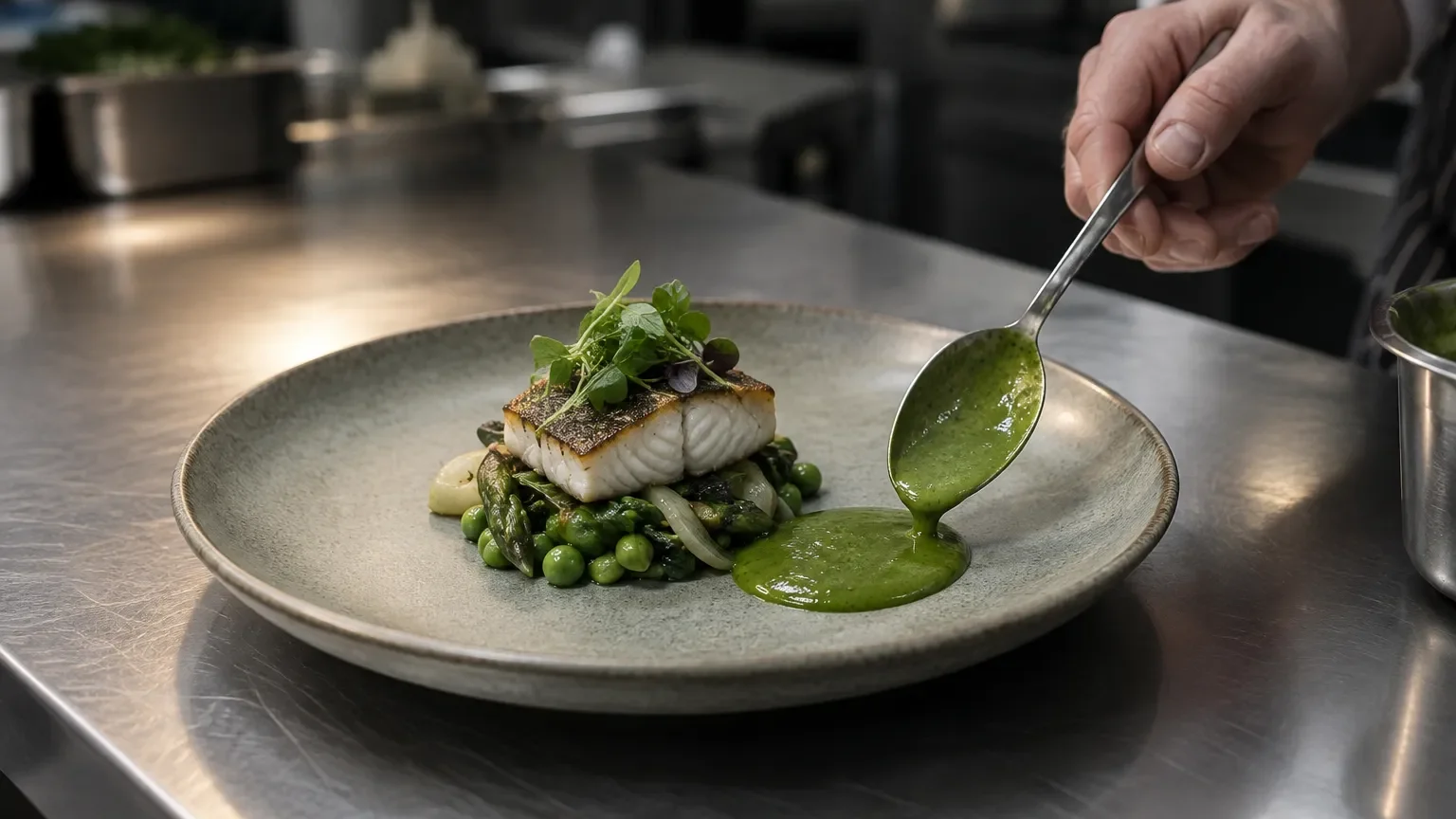
Plating stays clear and purposeful, and each dish card’s Plating concept field sets out one focus on the plate, space around it, and a garnish that earns its place. What the eye reads first should be what the palate meets first.
CONSISTENCY