Twenty-four seats in Fitzroy
The Interior
The interior is designed to support the meal rather than compete with it. Warm materials, clean lines and considered lighting create a calm backdrop for the food and conversation.
MATERIALS
The room is put together the way a plate is built: a small number of things, each doing one job properly. Rather than layering finishes until the space feels full, the approach is to keep the range of surfaces narrow and let the repeated ones settle into a rhythm across the floor, the walls and the tabletop.
The exact specification is still being confirmed, so this page does not name it. What is settled is the principle behind it — anything a hand rests on or an eye returns to should feel like what it is, hold up to daily service, and be repairable rather than replaced.
A 12-seat design library in the same building keeps the samples out where guests can handle them before dinner, so the choices in the dining room can be read as well as looked at.
LIGHTING
TABLES
Twenty-four seats is small enough that every table sits within sight of the pass, and large enough that a Tuesday and a Saturday feel like different rooms. Settings are spaced with room around them rather than packed to the wall; the gap between two tables is the part of the design that decides whether a conversation stays where it started.
Each setting is composed the same way at every service — the same distances, the same placement, the same clear space left in the middle for what follows. Because the four-course menu arrives in sequence, the table has to be able to receive each course without being stripped and reset while guests are still talking.
Comfort is treated as practical work: chairs at a height that suits a two-hour dinner, tables that do not rock, and enough clearance to leave your seat without asking the next table to move.
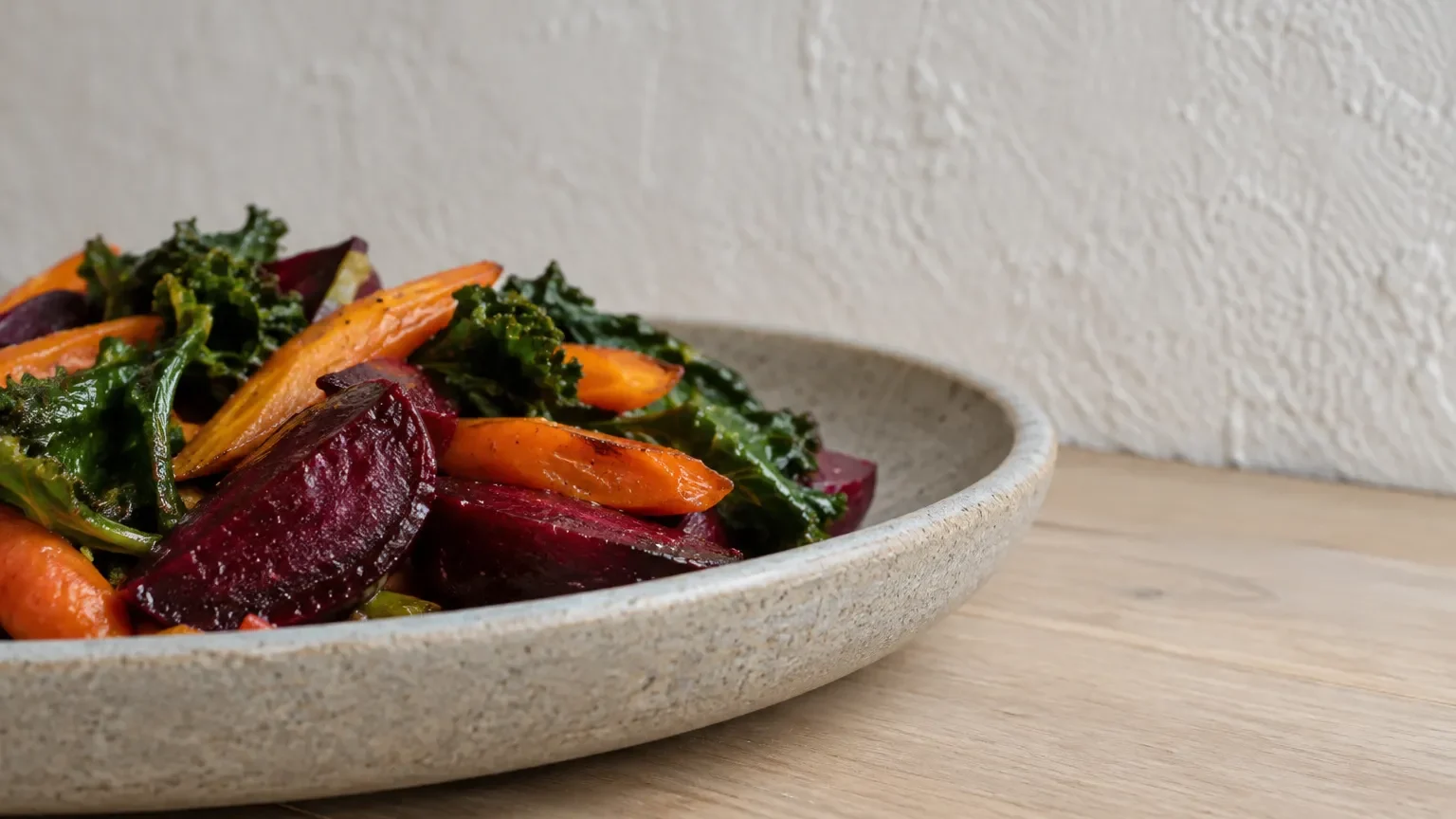
04
COLOUR
The palette stays quiet so the food can carry the colour. Fewer tones, repeated through the room, give the eye somewhere to rest.
DETAILS
The smaller elements come after the room, not before it. Tableware is chosen against the dish it will hold, so the edge and colour of the food read clearly; what sits on the table between courses is chosen for how little attention it asks for, with the floor team checking in after the second course.
-
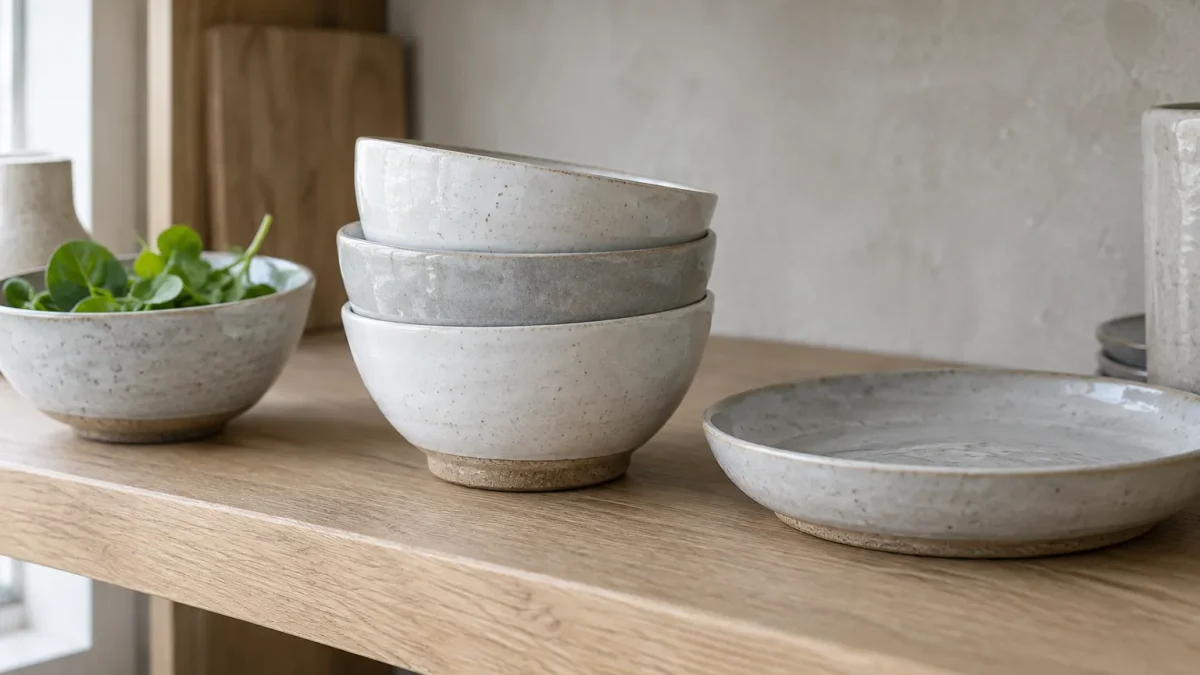
Tableware
Plates and bowls selected against the dish they carry.
-
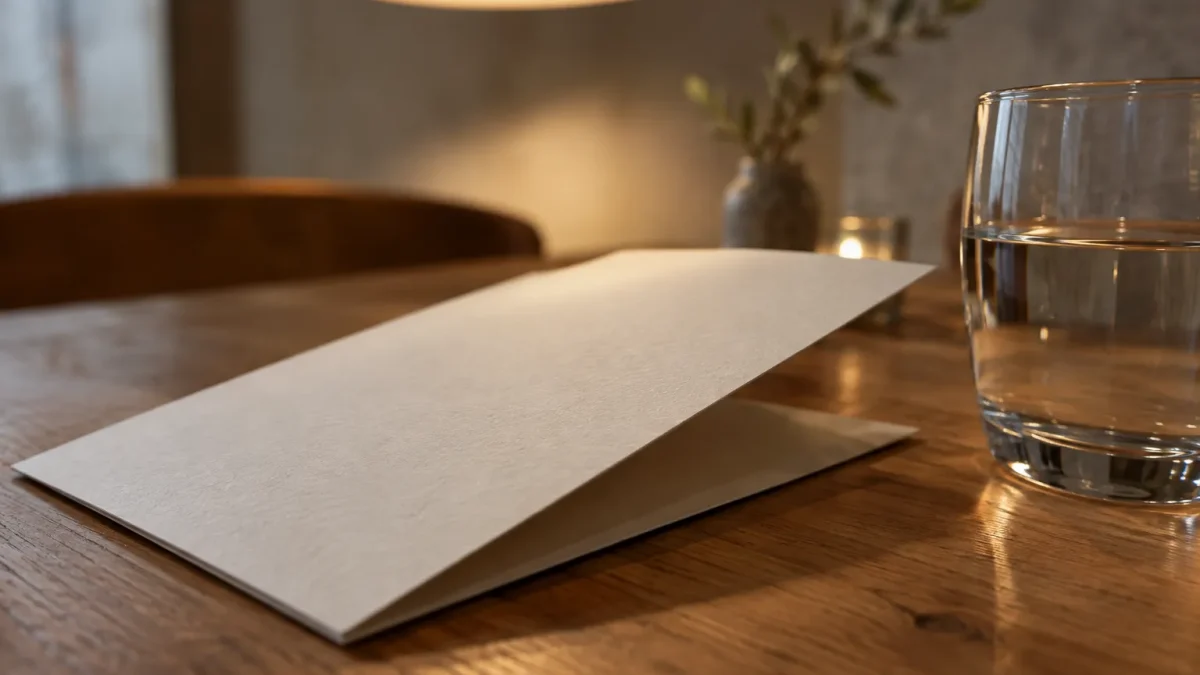
Menus
Printed to be read at the table in low light, one short paragraph per dish.
-
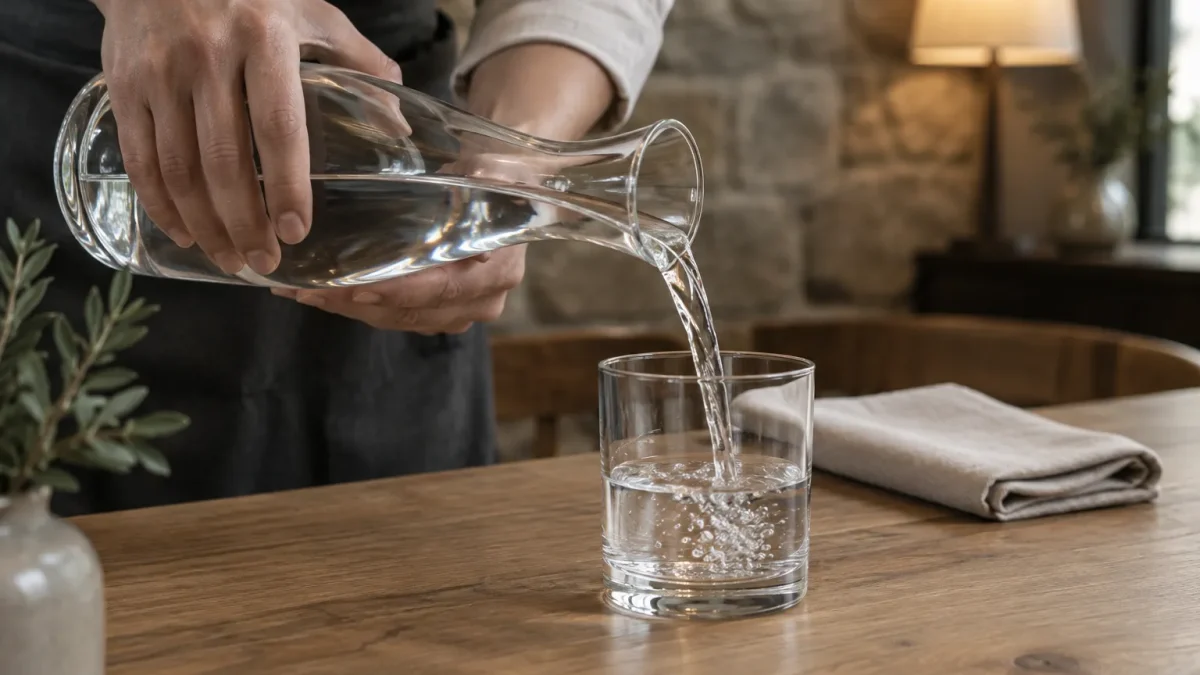
Service
Water poured before the menu guide, plates cleared together.